
Property-first planning
Use the roof, land, shade, electrical equipment, and power history to shape the first conversation.
Idaho Falls, Idaho solar services
Plan around your roof or land, power use, winter weather, city permit, and Idaho Falls Power connection. Call or request a free solar estimate.
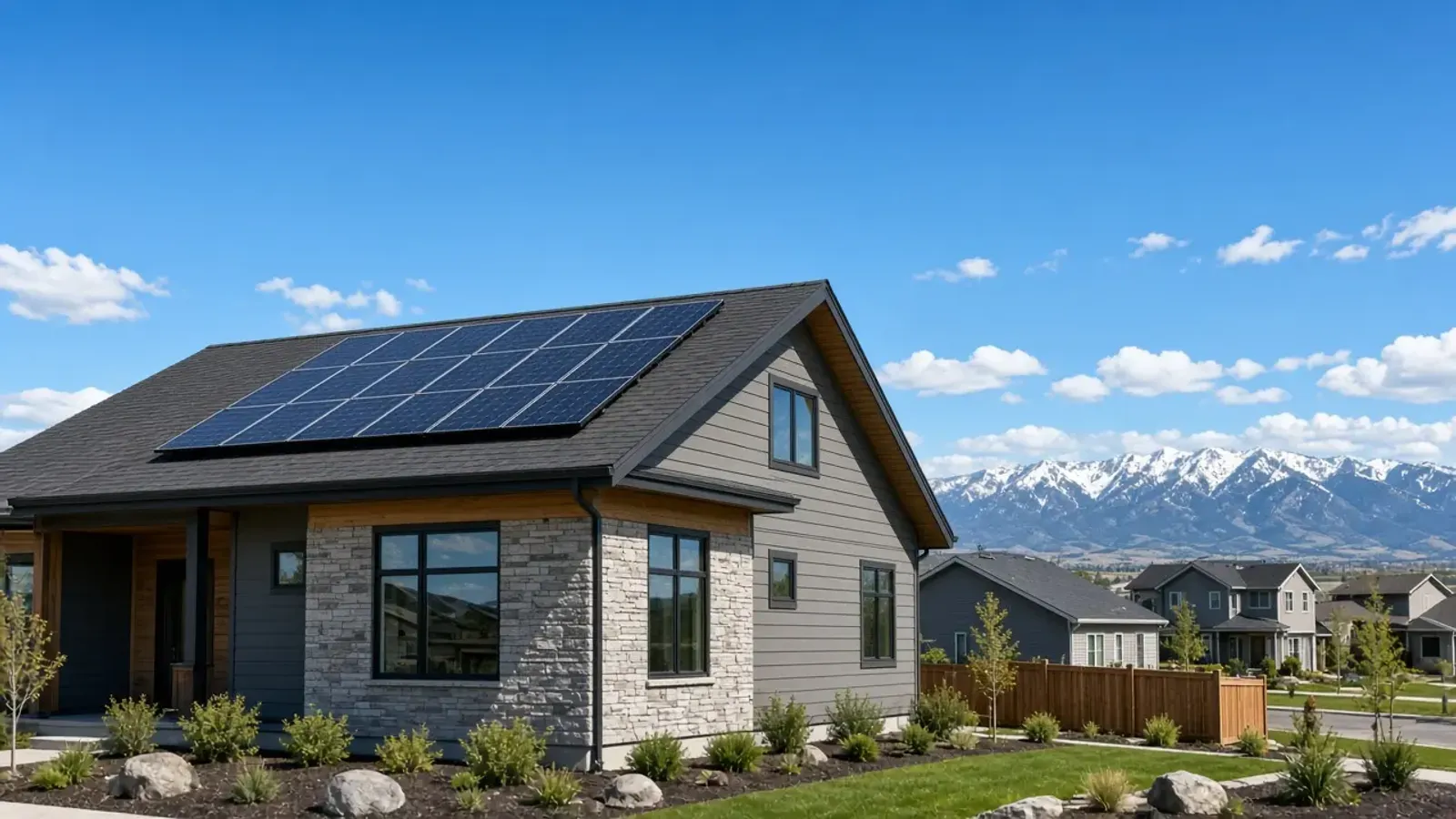
Start with your property
Share the property details, timing, and goals that can help us start a project-specific conversation.
Prefer to talk? Call (208) 497-5539. Monday, Tuesday, Wednesday, Thursday, Friday: 9 AM–5 PM · Saturday, Sunday: Closed.
Start with the right facts
Solar panel installation in Idaho Falls starts with a clear look at the building and its power use. The best panel count on paper may not fit the usable roof, winter shade, electrical service, or plans for the property. A useful estimate brings those details together before anyone promises a system size, price, or amount of power.
Idaho Falls Solar Installation gives homeowners, property owners, and small businesses a simple place to begin. Share recent power bills, the roof age and material, known shade, and any future needs such as an electric vehicle, heat pump, shop, or addition. If you are considering a ground-mounted system, describe the open land and distance to the building.
Local steps matter too. Idaho Falls has a city solar permit process, and properties served by Idaho Falls Power need utility review before a grid-connected system can operate. We explain those steps in plain language so you can compare written plans instead of relying on broad sales claims.
The site also covers solar panel repair and cleaning. Those services solve different problems. A monitoring error or sudden shutdown needs a repair check, while dust, pollen, ash, or bird droppings may call for cleaning. Choosing the right service at the start can save time and avoid guesswork.
Use the roof, land, shade, electrical equipment, and power history to shape the first conversation.
Know what the estimate includes, what may change, and who handles permits, inspection, and utility steps.
Plan for snow, wind, seasonal sunlight, the city permit process, and Idaho Falls Power requirements.
Solar services
Choose the service that matches your goal. Each page explains common questions, price factors, local conditions, and the details that help with an estimate.
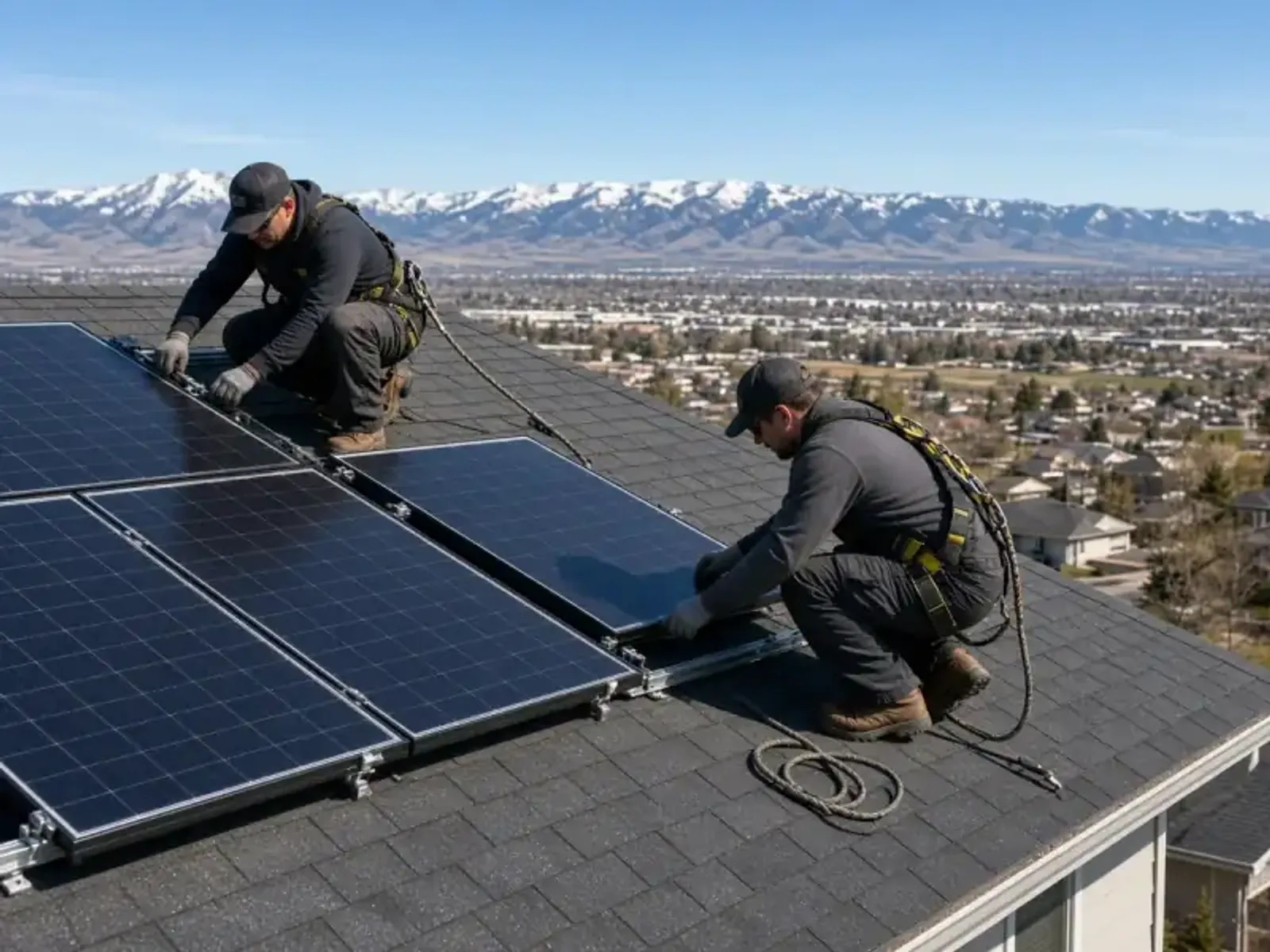
A sound solar plan starts with your Idaho Falls property, power use, and utility service. The roof or ground area, winter shade, snow, electrical equipment, and Idaho Falls Power rules all help shape the system.
Explore Solar Panel Installation →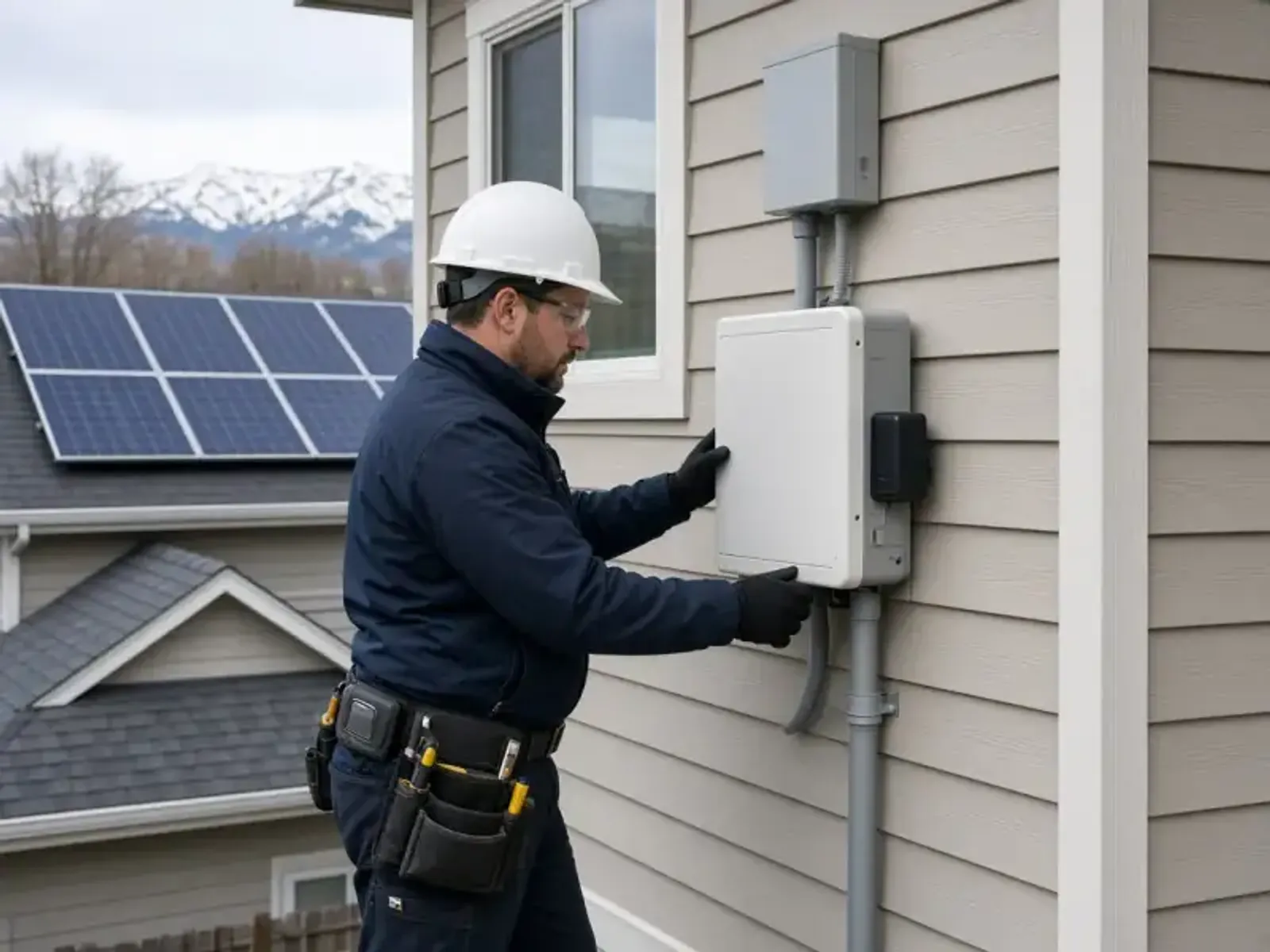
If your solar panels stop working or produce less power than expected, the cause may not be clear from the ground. System history, monitoring alerts, recent weather, and safe visual details can help focus the repair check.
Explore Solar Panel Repair →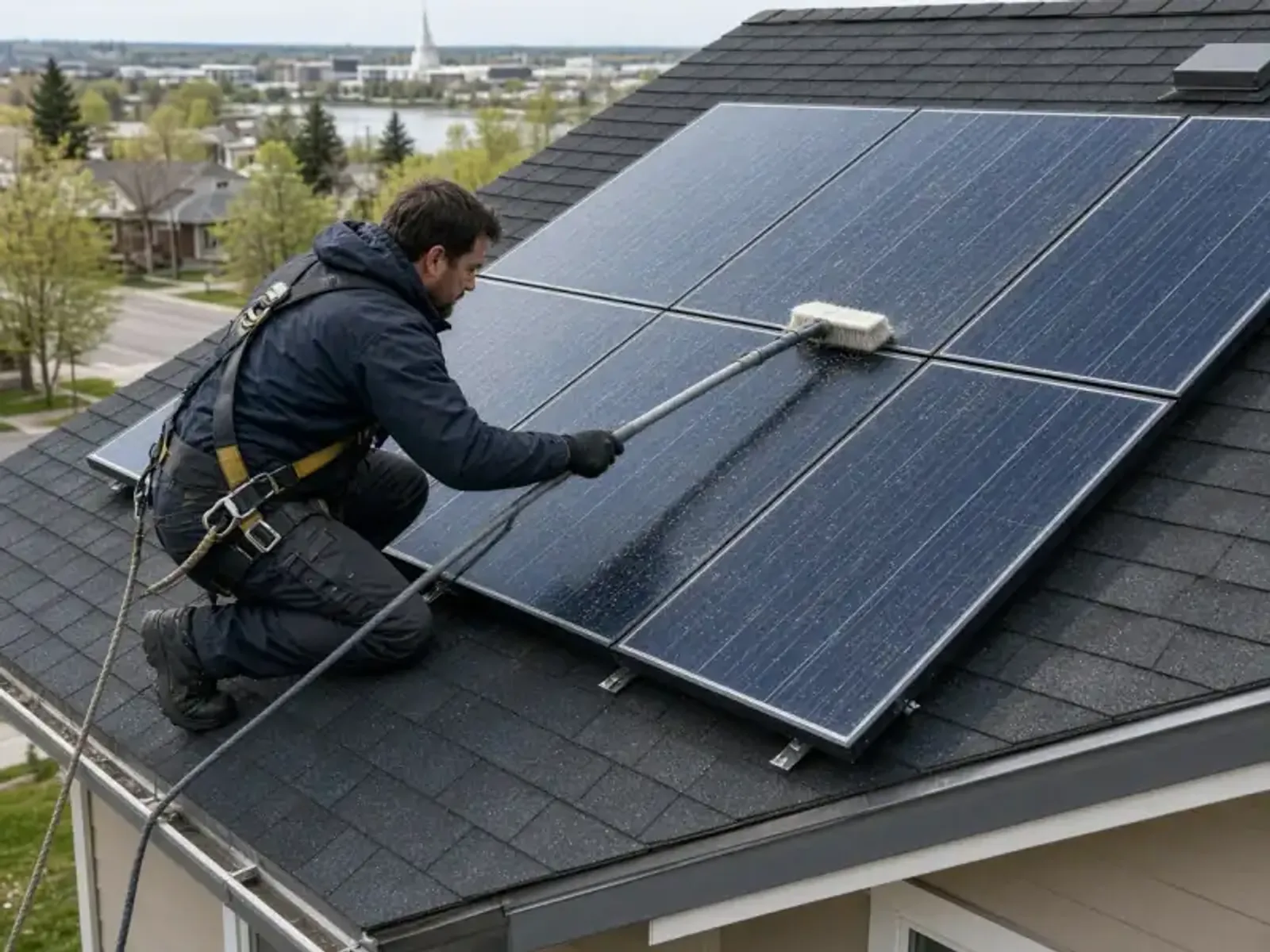
Snowmelt, dust, pollen, wildfire ash, and bird droppings can leave uneven buildup on Idaho Falls solar panels. A cleaning plan should fit the roof, panel maker instructions, weather, access, and water conditions.
Explore Solar Panel Cleaning →Property review
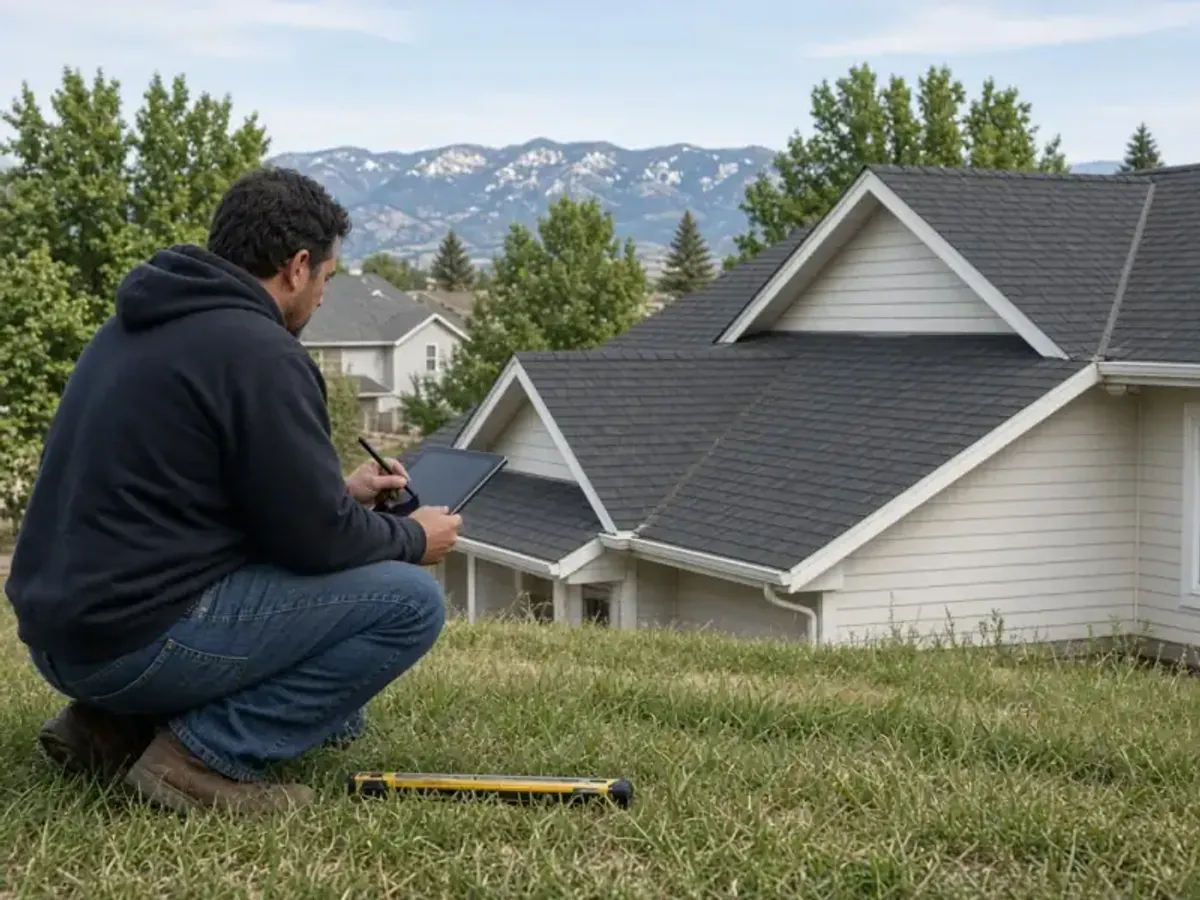
A roof can look sunny from the street and still have limits. Vents, valleys, ridges, chimneys, nearby trees, required walkways, and shade at different times of year can reduce the usable area. Roof age and condition matter because panels may remain in place for many years. If the roof will need work soon, it may make sense to address that first.
The main electrical panel and meter location also affect the layout. Workers need a safe wire path from the panels to the inverter and electrical service. Long routes, finished walls, detached buildings, or a full electrical panel can change the work. An estimate should call out those facts instead of hiding them in a general price.
Ground-mounted solar can help when the roof is shaded, small, or pointed in a less useful direction. It also brings new questions about land, setbacks, trenching, grading, soil, snow drift, mowing, and the distance to electrical equipment. A larger open area does not always mean a simpler job.
Photos and satellite views help with an early conversation, but they do not show every roof or electrical condition. A final plan may need measurements, structural information, electrical details, and a closer look at the site.
Cold-climate design
Idaho Falls receives useful sunshine, but power output changes through the year. Summer days are long. Winter days are shorter, the sun sits lower, and storms or snow cover may block light for a time. A yearly estimate should use seasonal conditions rather than multiply one strong summer day across every month.
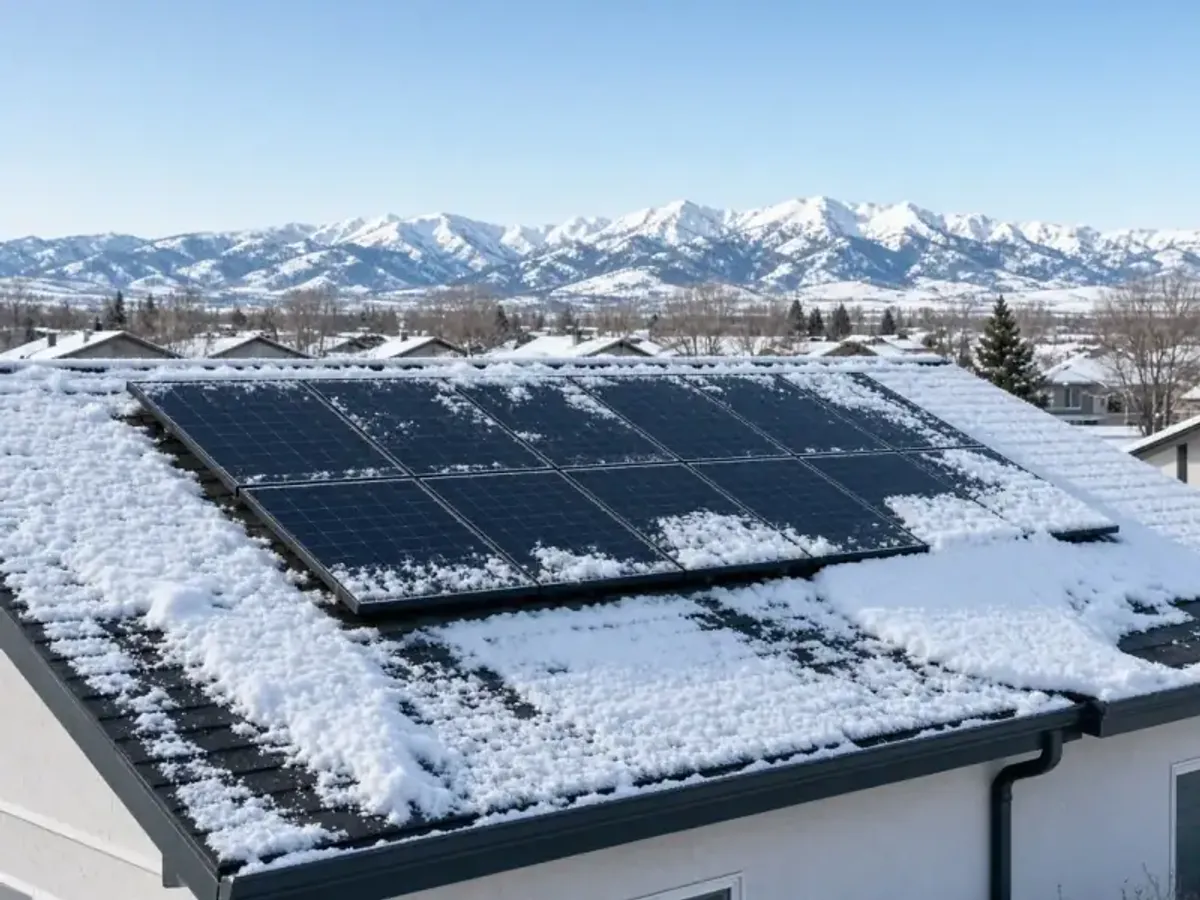
Cold weather does not stop a solar panel from making electricity when sunlight reaches it. Snow cover, however, can reduce output until it melts or slides. Roof slope, panel position, roof valleys, nearby walls, and drifting patterns can affect where snow collects. The plan should also leave room for drainage and required roof access.
Homeowners should not climb onto a snowy or icy roof to clear panels. Solar wiring can remain active in daylight, and hidden ice adds a serious fall risk. If a panel, mount, or wire looks damaged after a storm, keep a safe distance and request a repair check.
Idaho Falls weather also includes wind, spring dust, dry periods, and wide temperature changes. Mounts, roof connections, and electrical parts must match the approved design. Production claims should account for the actual roof, equipment, weather, shade, and system losses.
Permits and utility review
The City of Idaho Falls provides a permit application for photovoltaic solar systems. It asks for project details, panel type, roof type, and whether the panels are roof- or ground-mounted. The full package can vary with the property and design, so the current city instructions should guide each job.
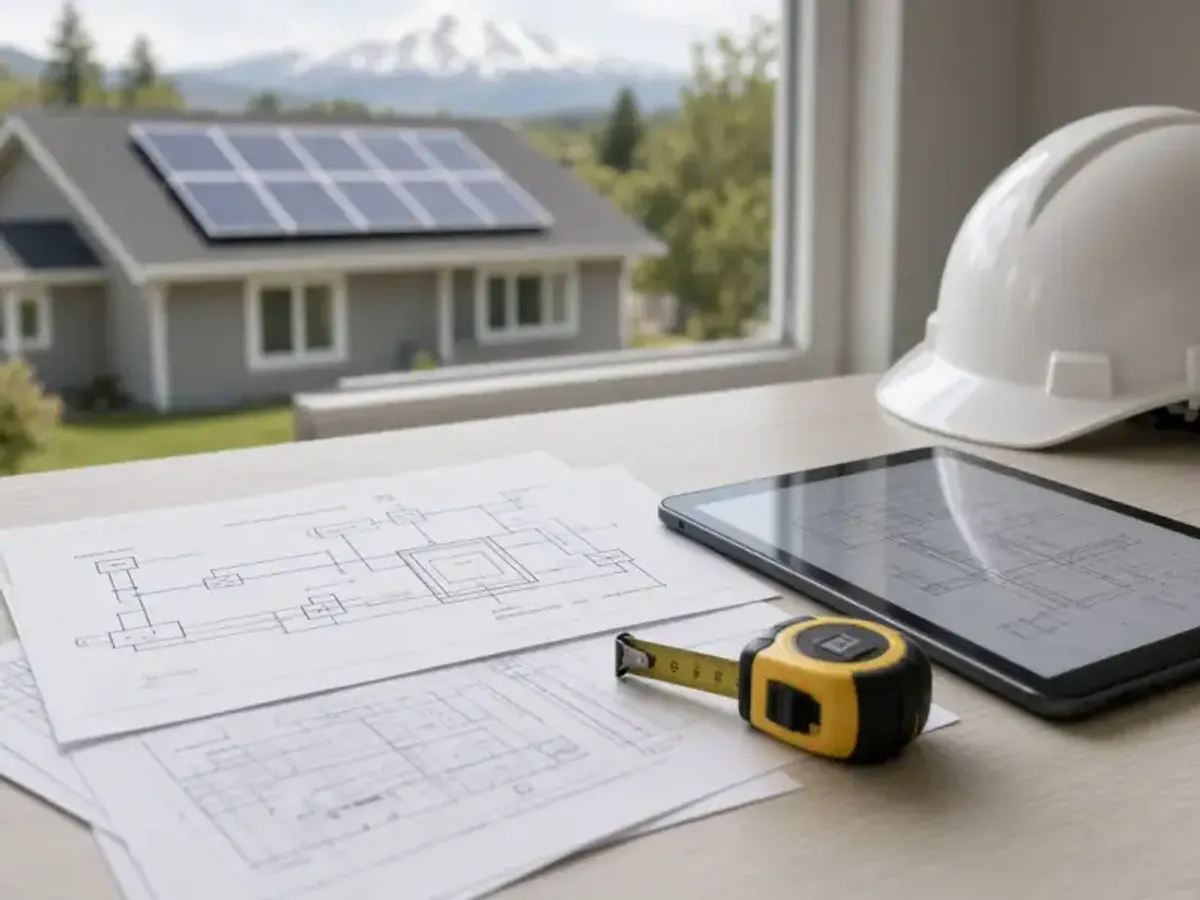
For a property served by Idaho Falls Power, the utility also reviews a system that will connect to its grid. Current materials ask for a grid-connection application, a one-line electrical drawing, equipment information, and installer details. Idaho Falls Power advises customers to contact the utility about system size limits before buying equipment.
The permit and utility review serve different purposes. City approval does not by itself mean the system can be turned on. Installation, required inspections, utility review, and meter work may need to happen before the system receives approval to operate.
Forms, fees, rate rules, and review steps can change. A good written plan identifies who prepares the documents, who responds to requested changes, and which parts of the schedule depend on the city or utility. That makes delays easier to understand and keeps important tasks from falling between providers.
Homes and small businesses
A home may use more electricity during winter heating, summer cooling, or evening family routines. Recent bills help show those changes. Tell the estimator about an electric vehicle, heat pump, hot tub, workshop, home addition, or other planned load so the conversation does not depend only on past use.
A small business may use most of its power during daylight hours. It may also have a flat roof, larger electrical service, tenants, delivery times, or work-hour limits. Owners and property managers may need approval from other decision-makers before roof or electrical work begins.
Power use does not set the final size by itself. Roof area, shade, utility rules, budget, and equipment also matter. The goal is a plan that fits the property and the owner’s priorities—not the largest array that can be drawn on an aerial image.
Complete system planning
Panels are only one part of the system. Mounts, inverters, wiring, shutoff switches, labels, monitoring, and the main electrical service all have jobs to do. Each part must work with the approved design and the other equipment.
Ask where the inverter and shutoff equipment will go, how wires will run, and how workers will reach the roof. Ask which equipment is included and what written coverage applies. This website does not make a warranty claim because no warranty terms were provided.
Battery storage is not listed as a confirmed service on this site. If backup power matters to you, mention it during the estimate so the written plan can say whether it is excluded or needs a separate provider. Never assume a standard grid-connected solar system will power the building during an outage.
How the project moves forward
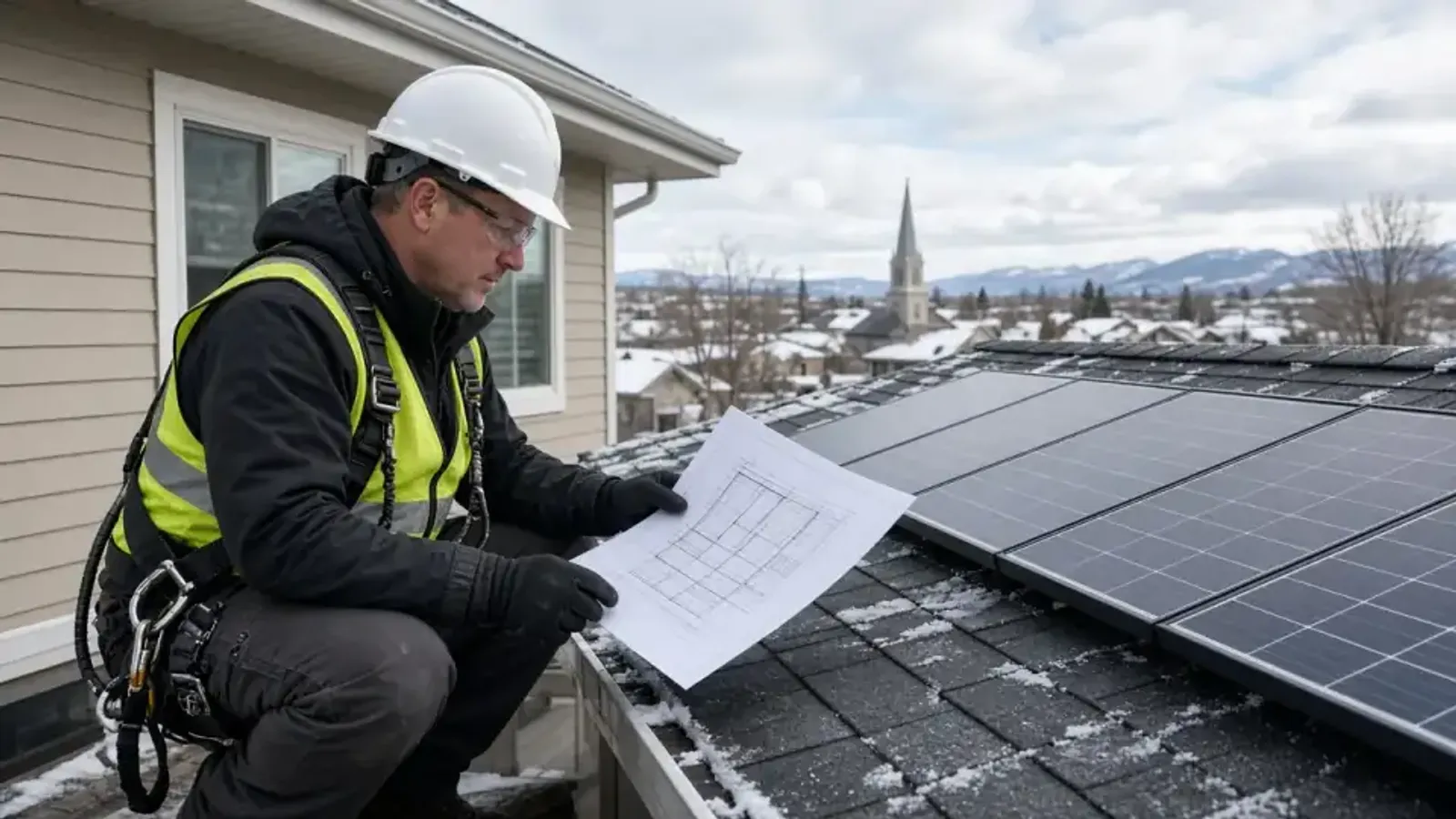
The exact sequence depends on the property and current review requirements, but each project should make these milestones clear.
Describe the building, roof or open land, power use, shade, electrical equipment, and your main goal.
Check usable space, roof condition, access, snow and shade patterns, mounting needs, and the wire route.
Compare the included equipment, work, price, permit tasks, Idaho Falls Power steps, and items not included.
Move through design, permits, installation, inspection, utility review, and final approval for the property.
Solar installation cost
Solar panel installation cost in Idaho Falls cannot be set by panel count alone. System size is important, but roof condition, mounts, access, electrical work, engineering, permits, and the utility connection also affect the price. A ground-mounted system may add footings, trenching, grading, or a longer wire run.
Ask for a written estimate that lists the main equipment and every major step. It should explain design work, permits, installation, inspection, Idaho Falls Power documents, and final utility tasks. Look for items not included as carefully as the work that is included.
Low starting prices can leave out roof repairs, electrical-panel changes, trenching, or requested plan updates. Ask how unknown conditions will be handled and whether you must approve a written price change before extra work begins.
Tax and incentive pages become outdated quickly. Current IRS guidance says the Residential Clean Energy Credit is not available for new systems placed in service after December 31, 2025. Check current federal, state, city, and utility sources. A solar company’s marketing page is not personal tax advice.
A free solar estimate gives you a useful starting point, but the final price may require a site review and completed design. The goal is not a rushed number. It is a clear plan that you can understand and compare.
Panel count, inverters, mounts, monitoring, and other parts affect design and materials.
Roof age, slope, access, structure, footings, grading, and trenching can change labor and cost.
The main panel, meter, wire route, shutoff locations, and needed updates affect the work.
Engineering, city permits, inspections, equipment supply, weather, and Idaho Falls Power review affect timing.
Questions from property owners
Use these answers as a planning overview. Property conditions and current agency requirements determine the final details.
Solar may work for an Idaho Falls property, but the answer depends on shade, usable roof or land, power use, equipment, budget, and utility rules. A property review is more useful than a citywide promise.
Panels can make electricity in cold weather when sunlight reaches them. Snow cover, clouds, short winter days, low sun, and shade can lower output. Yearly estimates should include every season.
The city has a permit process for roof- and ground-mounted photovoltaic systems. Required plans and details depend on the project. Check current city instructions before installation.
Current utility materials call for review of a grid-connected system, a grid-connection agreement, a one-line drawing, and equipment information. Inspection and meter work may also be required before operation.
Price depends on system size, equipment, roof or ground conditions, access, electrical work, engineering, permits, and utility steps. Request a written estimate for the property instead of relying on a general price.
Current IRS guidance says the Residential Clean Energy Credit is not available for new systems placed in service after December 31, 2025. Check the latest IRS information and ask a tax professional.
Bring recent power bills, the roof age and material if known, safe photos, shade details, and notes about future needs such as an electric vehicle, heat pump, shop, or addition.
Plan your project
Tell us about your property and energy goals. We’ll follow up about the next step.